Category Archives: Property Maintenance

An Early Cold Snap? Winter Condo Prep Tips!

Tips for Winter Condo Prep

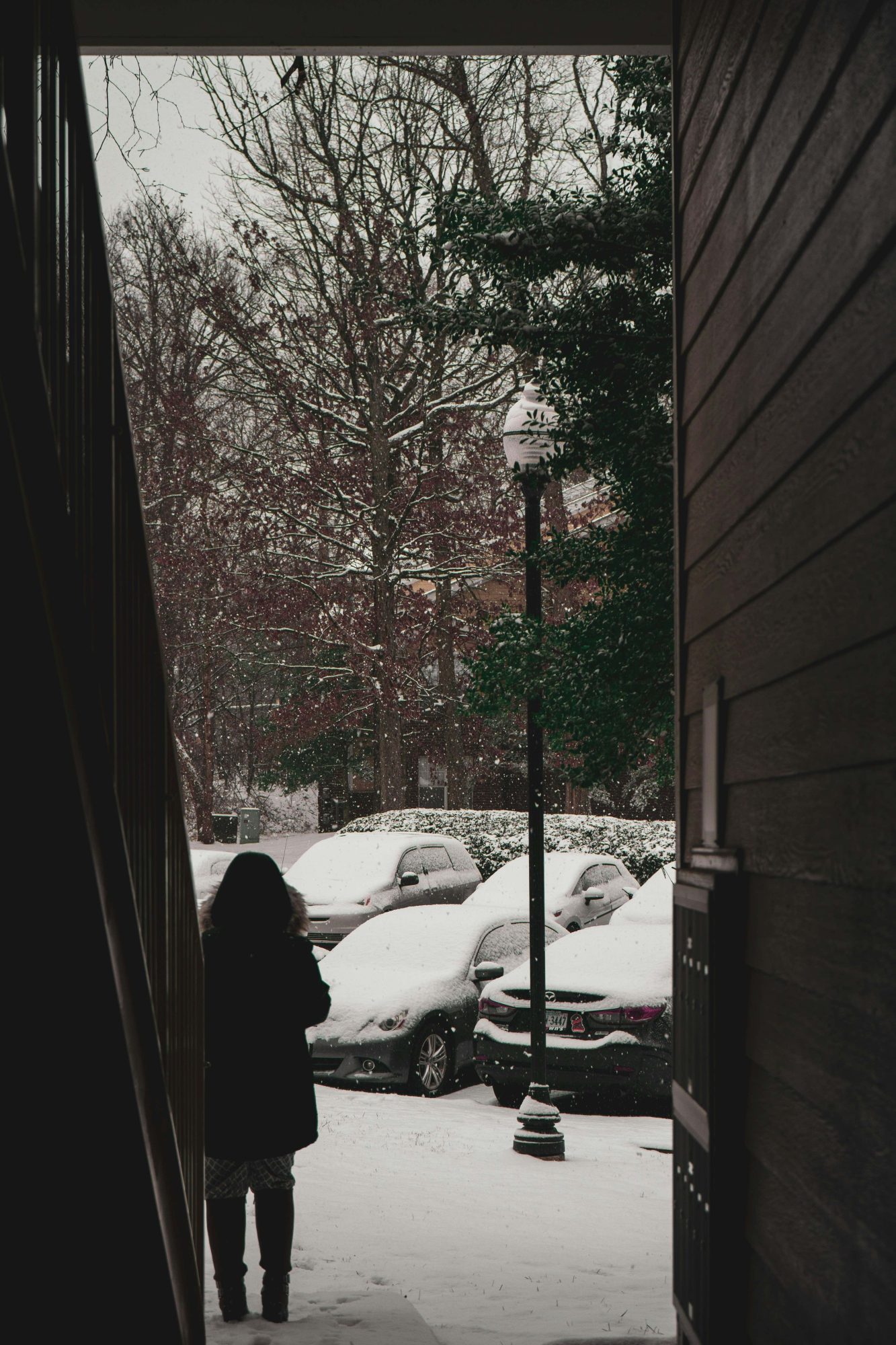
Winter is approaching, and it’s time to prepare your condo for the cold months ahead. Proper winter condo preparation ensures your home remains warm, safe, and energy-efficient.

By taking a few proactive steps, you can avoid costly repairs and maintain comfort throughout the season. From sealing drafts to checking heating systems, every detail matters.

This guide will provide you with essential tips and a winter mwinter-condo-prepaintenance checklist to winterize your condo effectively.
Why Winter Condo Preparation Matters

Winter condo preparation is crucial for maintaining indoor comfort. Condos that are well-prepared for winter use less energy, resulting in lower utility bills.

Ignoring winter maintenance can lead to discomfort and unexpected repairs. By prioritizing these tasks, you ensure your living space stays cozy and free from winter-related issues.

Winter Maintenance Checklist for Your Condo

To winterize your condo efficiently, a detailed checklist is essential. It helps you systematically manage each task and guarantees no detail is overlooked.

Start with inspecting and sealing windows and doors. Drafts can significantly increase heating costs, so securing these areas is crucial.

Next, focus on your heating system. Make sure to check and clean furnaces and radiators. This maintenance ensures optimal performance throughout the cold months.

Include gutter cleaning in your preparation. Clogged gutters can lead to water damage, so clearing them prevents ice dams and costly repairs.

Here’s a quick checklist to guide you:winter-prep-tips

  • Inspect and seal windows and doors
  • Check and clean heating systems
  • Clean gutters and downspouts
  • Insulate pipes
  • Test smoke and carbon monoxide detectors

Finally, don’t forget about pipe insulation. Freezing pipes can burst, leading to expensive repairs, so prioritize this task. With these steps, your condo will be winter-ready in no time.

Key Steps to Winterize Your Condo

Effective winter condo preparation involves several key strategies that focus on energy efficiency and protection.

Start by reversing your ceiling fans. Set them to rotate clockwise to push warm air downward, making rooms more comfortable.

Consider installing weather stripping around windows and doors. This simple addition provides extra insulation and reduces heat loss.

Checking your roof for leaks or damage is vital. Repair any issues before heavy snowfall arrives to prevent further complications.

Here are key steps to help you get started:

  • Reverse ceiling fans to push warm air down
  • Install weather stripping
  • Check for roof leaks and make repairs
  • Turn off and drain outdoor water sources
  • Install a programmable thermostat

Don’t ignore outdoor water sources. Turn off and drain them to prevent freezing and damage. These steps significantly enhance comfort and efficiency during the cold season.

Safety and Emergency Preparedness

Preparing for emergencies is as crucial as maintaining warmth. Ensure smoke and carbon monoxide detectors are working well. This simple check boosts safety immensely.

Create an emergency kit with essential supplies. Include flashlights, batteries, and non-perishable food. These items are critical during power outages or severe weather.

Key safety tips include:

  • Test smoke and carbon monoxide detectors
  • Assemble an emergency kit
  • Check accessibility of fire extinguishers

These precautions help ensure safety throughout the winter months. Keep essential items easily reachable for swift response in emergencies.

Final Tips for a Cozy, Safe Winter

As winter approaches, double-check your condo’s insulation. This helps keep heating efficient and bills lower. Small adjustments can make significant differences in comfort.

Finally, enjoy the season with peace of mind. Knowing your condo is winter-ready, you can focus on creating warm memories. Stay cozy, and let the winter magic unfold.
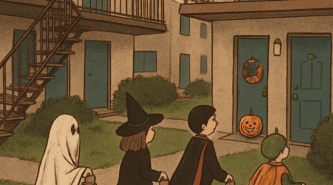

Safe Halloween Tips for Condo Associations

Safe Halloween Tips for Condo Associations

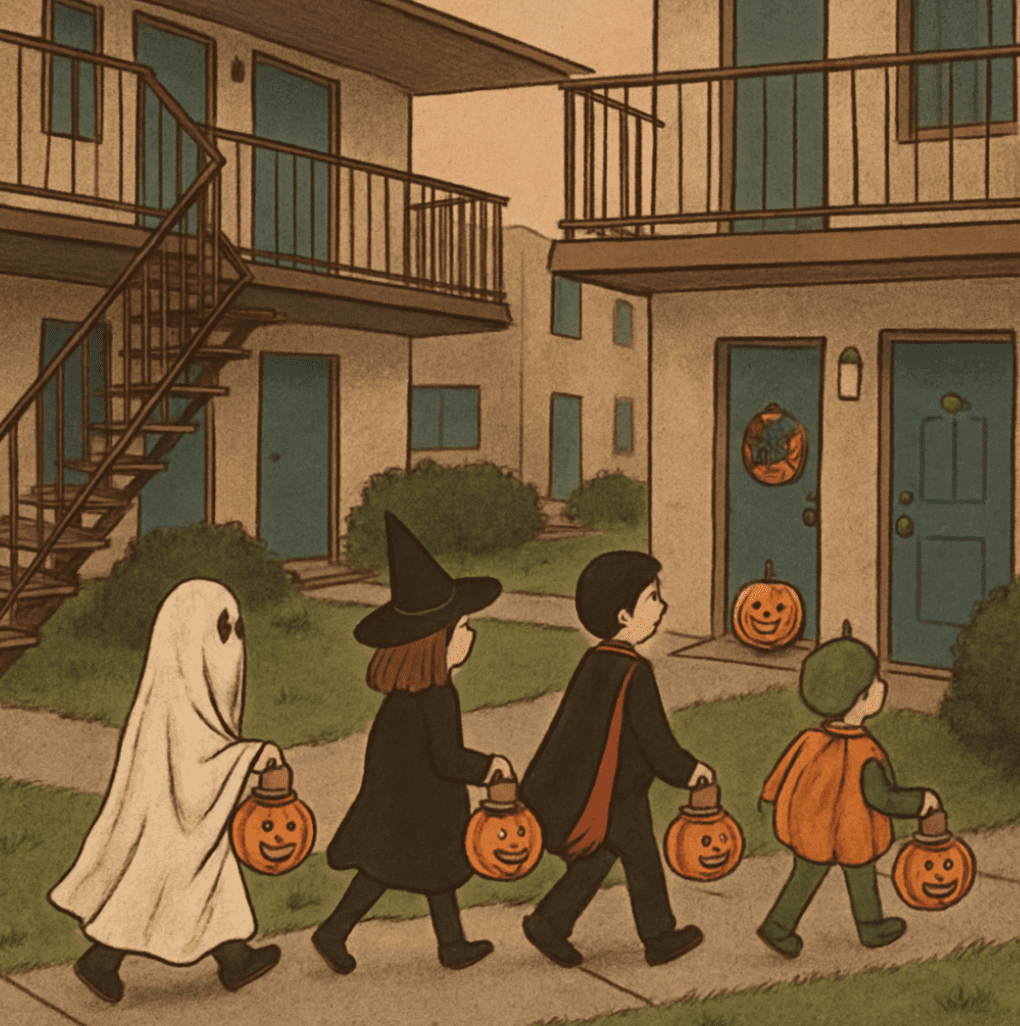
Halloween is a time of excitement and fun, especially for children. Condo associations face unique challenges in ensuring a safe celebration. With many residents living in close quarters, planning is crucial.

Safety should be a top priority for condo communities during Halloween. Proper guidelines can help prevent accidents and ensure everyone enjoys the festivities.

Communication is key to a successful Halloween event. Residents need to be informed about safety measures and community plans.

Condo associations can create a safe environment by setting clear rules. This includes guidelines for trick-or-treating and decorating.

By working together, condo communities can enjoy a safe and festive Halloween. With the right precautions, everyone can have a memorable experience.

Safe Decorating and Common Area Precautions

Decorating for Halloween can bring cheer, but it must be done safely. Condo associations should provide guidelines for safe decorating practices. This ensures the community looks festive without compromising safety.

Residents should avoid real flames in decorations. Battery-operated candles are safer and still create a spooky effect. Encourage secure placement of decorations to prevent falls or fire hazards.

Common areas need special attention to avoid accidents. Ensure pathways are clear of obstructions and are well-lit. Signs can guide residents and visitors safely through the community.

Consider implementing these decorating tips:

  • Use flame-less candles for spooky scenes.
  • Check that decorations do not block exits.
  • Keep trip hazards, like cords, secured.
by Elena Mozhvilo (https://unsplash.com/@miracleday)
Following these precautions can help maintain a safe environment while enjoying the festive spirit.

Following these precautions can help maintain a safe environment while enjoying the festive spirit.

Child and Pet Safety on Halloween Night

Ensuring the safety of children is a top priority during Halloween. Trick-or-treating should be a delightful experience, free from worry. Use a buddy system to ensure kids never venture out alone.

Enhance children’s visibility by equipping them with reflective gear or glow sticks. This simple step can prevent accidents and ensure they are easily seen by others. Costumes should not hinder movement or vision.

Pets can become anxious or excited during Halloween. Keep them secured inside to prevent them from running out or causing a scene. Encourage residents to be mindful of their pets’ well-being during festivities.

Consider these child and pet safety suggestions:

  • Use reflective tape on costumes.
  • Keep pets in a calm, safe space.
  • Review candy safety with children.

By following these guidelines, you can help ensure a safe, worry-free Halloween evening.

Planning and Communication: Setting the Stage for a Safe Event

Effective planning is the backbone of a safe Halloween in condo associations. Clear communication ensures that everyone is on the same page. This helps prevent confusion and accidents on the big day.

Safe Halloween for condo associations

Start by setting a schedule for Halloween events. Specify trick-or-treating hours to manage the flow of activities. Informed residents contribute to a smoother celebration.

Craft a comprehensive list of Halloween guidelines. Make sure these guidelines cover safety tips, decoration rules, and traffic management. Distributing this list ahead of time prepares residents for Halloween night.

Consider the following steps to enhance communication and planning:

  • Use newsletters or emails to share guidelines.
  • Schedule a pre-Halloween meeting for residents.
  • Display posters in common areas with event details.

A well-informed community is a safe community. Fostering clear communication will help ensure a successful Halloween celebration.

Trick-or-Treating Guidelines for Condos

Trick-or-treating in a condo community requires some special guidelines. These measures ensure safety and fun for everyone involved. Start by designating specific areas for trick-or-treating.

Create a map highlighting participating units. This helps trick-or-treaters navigate the community easily. Distribute this map to all residents before Halloween night.

It’s important to establish a buddy system for children. No child should trick-or-treat alone. Encourage groups for added safety and social fun.

Consider the following guidelines for a successful trick-or-treat:

  • Use reflective gear or glow sticks for visibility.
  • Ensure hallways and walkways are clear and lit.
  • Establish “kid-only” zones to reduce crowds.

Setting specific times for trick-or-treating is essential. This helps manage foot traffic and limits noise during late hours. Encourage residents to leave their porch lights on if they plan to participate. These preparations foster a safe and organized trick-or-treating experience.

Managing Traffic, Noise, and Community Respect

Halloween night can bring increased traffic and noise to condo communities. Managing these elements is crucial for maintaining harmony and safety. Encourage residents to be extra cautious when driving through the community during trick-or-treating hours to avoid any mishaps.

It is important to also keep noise levels in check. Not every resident may be involved in the festivities, so remaining respectful of others is paramount. Set quiet hours to ensure everyone can enjoy peace after celebrations wind down.

Consider implementing these traffic and noise management tips:

  • Encourage drivers to maintain low speeds and stay alert.
  • Set specific quiet hours during Halloween.
  • Post reminders about respectful noise levels in common areas.

With thoughtful planning, everyone in the condo community can enjoy a harmonious Halloween celebration.

Alternative Activities and Inclusive Celebrations

Offering alternative Halloween activities can enhance inclusivity in your condo community. Not everyone might enjoy traditional trick-or-treating. Providing different options can ensure everyone feels welcome during the festivities.

Consider hosting the following inclusive activities:

  • A community Halloween movie night.
  • An arts and crafts session for decorating.
  • A costume parade for all ages.

These alternatives add joy without the usual hustle and bustle. By planning inclusive celebrations, the condo association can create a warm and inviting atmosphere for all residents. This approach helps foster community spirit and engagement.

Emergency Preparedness and Reporting Issues

Being prepared for emergencies is essential for a smooth Halloween in any condo community. Clear protocols help address issues quickly and effectively. Ensure residents know who to contact in case of an emergency.

Provide the following key contacts:

  • A property manager’s phone number.
  • Local emergency services contact details.
  • A hotline for reporting suspicious activities.

Encourage residents to report problems immediately. This fosters a safe environment for everyone celebrating Halloween.

Post-Halloween: Clean-Up and Community Reflection

After the festivities, it’s crucial to restore order in the condo community. Organize a community clean-up to maintain the appearance of shared spaces. This activity fosters a sense of unity and responsibility among residents.

Reflecting on the event can offer insights for future Halloweens. Encourage feedback to improve and make the next celebration even safer and more enjoyable.

Creating a Fun and Safe Halloween for All

With thoughtful planning and cooperation, condo associations can ensure a memorable and safe Halloween for everyone. By taking proactive measures, residents can enjoy festive activities while safeguarding the community. Let’s prioritize safety to create lasting, positive memories for residents of all ages.

The Impact of In-Unit Modifications

Most condominium Unit Owners feel that what they do within the walls of their unit is nobody’s business but their own, and to an extent, they are correct.  The Association, however, is responsible for maintaining the common elements within the community, which can often be affected by “in-unit” work. 

The Illusion of Independence

Condominium owners often mistakenly believe that their unit is entirely their own, similar to the concept that a single-family home is controlled by the owner.  While this is partially true in that they own their specific unit, they are also beholden to the rules and bylaws of the condo association, often referred to as the HOA. 

Under these rules and guidelines, there are both rights and limitations, including the ability to make alterations or modifications within their unit. Living as part of a community means that some actions, improvements, and changes, while they may be part of your unit, are off limits. For instance, common areas that are part of the community, such as a pool, gym, hallways, trash collection areas, exterior walls, and stairwells, are not specifically part of an individual unit and are controlled by the condo association. Likewise goes for the connected and shared components of the condo such as electrical wires, plumbing, and HVAC systems. Making changes to your individual unit systems may impact the community and need to be approved by the association to avoid repercussions that could result from making changes. 

Potential Consequences of Condo Renovations

Relatively speaking, improvements at a condominium community are a good thing and can mean positive changes, but without proper approval there could be negative repercussions.

Should a contractor, service provider or vendor hired to do work in or around your unit make an error, there could be damage that impacts not just your unit but surrounding unit owners as well. For instance, a plumber who damages a shared water line could inadvertently flood adjoining units. Or the incident could cause a building-wide shutdown of water service, thus impacting all residents. In the case of a professional contractor doing work, the condo association may require certain vendors be used or the terms and scope of the work be approved in advance to avoid these types of unintended outcomes.

Even smaller projects such as interior painting of a unit could result in damage should the hired painters spill paint or damage walls with the scaffolding/ladders in the common hallways or stairwells. These types of incidents need to be avoided and can often be managed through a property management company who will keep a watchful eye on the improvements as they get underway.

The Importance of Proactive Communication

Communication is critical to completing in-unit modifications smoothly. As a rule of thumb, it is always a good idea to communicate your plans in advance to the property management team and discuss the role that the team may be able to play in ensuring that other unit owners are not impacted and that the improvements are in compliance with the community policies and standards. Check with your HOA to determine the proper protocols should you want to start making changes or improvements to your unit.

Hiring Qualified and Insured Contractors

As with any home improvement project, it is critical to ensure that the service provider, whether a painter, electrician, plumber, or designer, has proper insurance and qualifications before commencing the project. This protects both the unit owner and the community from potential liabilities or damages. HOAs often have a list of vetted and approved contractors with a history and proven track record of working within the community.

Fostering a Cooperative Living Environment

Maintaining a stress-free community living space, like a condo association, is a shared responsibility between unit owners and the management company or HOA. It is critical to be transparent about changes being made as well as how the community at large could be impacted by the modifications, such as noise from contractors, a timeline of work hours and days, and/or specific ways that surrounding units may be impacted such as extra service cars in the shared driveway. Respecting your fellow community members in your mission to update or modify your unit should be a top priority. Should you need assistance with the property management of your community, consider Crowninshield Management.

Building A Healthy Living Community

At Crowninshield Management Corp. we are fortunate to have valued relationships with hundreds of trustees. Each and every day our team listens and responds to the needs of our clients throughout New England. Although many of our residential complexes differ in size and needs, all properties share a common goal to create a healthy community. We reached out to a few trustees to share how they strive to create a vibrant community.


Tips from the Trustees at Crowninshield

William Neff, a trustee at Bishops Forest II in Waltham, Massachusetts with 81 units feels lucky that the residents in his community “are all about the place.” He points to two key ingredients to building a healthy community, a well-functioning board and a strong property management company. “Our board is small. We have five members, but we all care about our neighbors and the community,” says Neff who notes that everyone is both motivated and intelligent.” He adds that the property manager fits in with the community and has a relationship with the community as a whole.

Needing a Dedicated Trustee & Property Manager

Terry Wilkins, a trustee at Village Green West Condominium in North Andover, agrees that you need dedicated trustees and a competent property manager, but adds that you also need community interest as well. She also notes people typically don’t care about things as long as they are going along fine. “When you have a crisis like ice dams or needing a new roof, people get interested,” says Wilkins who notes that you can’t always give people what they want. “Balancing keeping people happy and being responsible to the trust agreement is what it is all about,” she says.

“It is our pleasure to work with active boards to enhance their communities. The Crowninshield team is here as a resource to brainstorm, troubleshoot and provide guidance. We have over four decades of experience in all aspects of property management,” says Deborah Collier-Comins, Crowninshield Management Corp. President.

Communication is Key to a Healthy Community

Good communication is also a key ingredient to building a healthy community. Ongoing, clear communication helps people feel more engaged and invested. There are so many tools available today online to help get your message. It is important that everyone feels part of the process. As Margaret Mead said, “Never doubt that a small group of thoughtful, committed, citizens can change the world. Indeed, it is the only thing that ever has.”

6 Tips For Energy Efficiency This Spring

Congratulations! If you live in New England, you’ve probably just endured the most wicked winter in history. Now, it’s time to rejoice in the return of spring, and all the green it brings with the change of season.

While we’re on the subject of green, spring is the ideal time to think about saving money and the planet. As the weather improves, you can make some changes to the home to be more green and more energy efficient. Here are six tips to reduce costs and save energy in your home or apartment. The spring season is the best time to make a change to your lifestyle!

Spring Energy Efficiency

Upgrade to Energy-Efficient Lighting (LEDS)

A simple switch to energy-efficient lighting, such as LEDs, can save your household money in multiple ways. Not only are LEDs longer-lasting than traditional incandescent light bulbs, but they also save homeowners from the constant cycle of replacement buying that can add up over time. Energy.gov states that LEDs “use at least 75% less energy, and last up to 25 times longer.” This makes them a wise choice for reducing energy costs overall. Additionally, LEDs emit less heat, which reduces the strain on cooling systems in the summer, making less of an impact on your HVAC bills.

Whether you are using LEDs indoors or outside, they make a great choice for longevity, cost and the environment.

Digital Solutions for Smarter Energy

If saving money on home energy costs is your ultimate goal, it’s time to automate your home. One way to do this is to install a smart thermostat, allowing homeowners to schedule their heating and cooling usage and adjust temperatures remotely after leaving for work or returning home. Consumer Reports (CR) detailed the savings in a 2023 article, stating that smart thermostats that meet Energy Star criteria save users an average of 8 percent on their utility bills. In the same report, CR states that the other major energy-saving technique is that smart thermostats make it easy to set up a sensible heating and cooling schedule, allowing homeowners to save approximately 10% on those bills.

Save Energy And Money With These Tips

Upgrade Inefficient Appliances

LEDs and smart thermostats are just two of the small steps homeowners can take to reduce utility bills, upgrading older and inefficient appliances is yet another to consider. Energy-efficient appliances, like ENERGY STAR-rated refrigerators, washing machines, and dishwashers, are built to use less electricity, water, and other resources compared to older, less efficient models. The fewer resources used will be reflected in your monthly water and electric bills.

Operating more energy efficiently is only one benefit of upgrading your older appliances. Newer models are less prone to breakdowns and will require fewer repairs. Even more advantageous is that municipalities and states offer numerous incentives and rebates when buyers invest in energy-efficient appliances.

Inspect and Upgrade Your Windows

Another way homeowners can invest in energy savings is by upgrading drafty windows, which will reduce heat loss in winter and heat gain in summer. If replacement windows are not in the budget, consider thermal drapes that can help seal out drafts during the winter months, or installing a window film that can help reflect heat during the summer months while still allowing visibility.

The Department of Energy estimates that heat gain and loss through inefficient windows are responsible for 25%–30% of residential heating and cooling energy use. Cut those costs through ENERGY STAR-rated replacement windows, thermal curtains or window films that can cut costs across the board.

Green Lifestyle That Saves Energy

Conserve on Your Light Usage

Your home’s thermostat isn’t the only place you can save money with automation. Conserving on your light usage can also be possible through motion and occupancy sensors that automatically turn lights on when motion is detected in a room and off again when the room is unoccupied. This is a great option for common areas like entryways, mudrooms, garages, and hallways as they are common locations for lights to be inadvertently left on while not in use. Light sensors, dimmers and timers can make a major impact on your utility and energy usage and ultimately your wallet.

Change Filters

Be sure to routinely change HVAC filters monthly during peak cooling or heating seasons. New filters are typically inexpensive. Dirty filters cost more to use, exhaust the equipment and result in lower indoor air quality.

Whether you live in a home or an apartment, these are changes you can make to be more conservative going into the spring season. If you live in an apartment, consider making these eco-friendly suggestions to your landlord, apartment, or building management. They will most likely abide by your wishes as there’s no reason not to make energy efficient improvements that are cost affordable!